Defined the wedge and roadmap
Turned the concept into a focused value proposition, prioritized story categories, mapped the MVP, and built a roadmap around learning and repeatability.
 KEEEL
KEEELI founded Taletoons and led it from idea to a working, revenue-generating personalized story platform, combining product strategy, child-centered design, AI automation, e-commerce, and physical fulfillment.
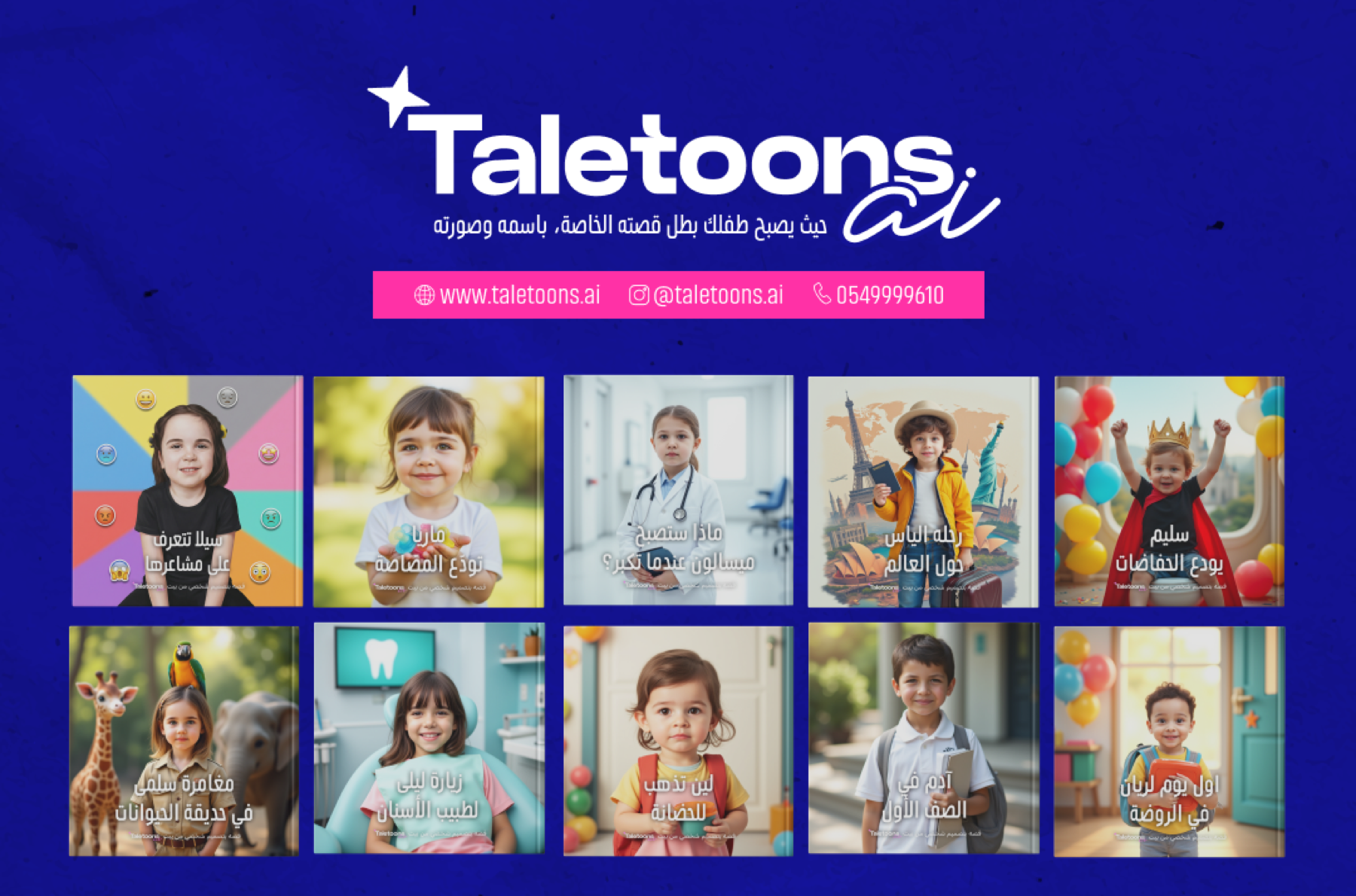
Built through primarily organic marketing, with both direct-to-consumer and business-to-business revenue paths across three markets.
Most personalized books stop at inserting a child's name. The deeper opportunity was emotional: give children the feeling that their identity, fears, dreams, and everyday milestones belong inside the narrative.
I shaped Taletoons around a simple product promise: a parent can choose a meaningful story, personalize it with their child's details and photo, and receive a finished book in which their child becomes the hero.
That required much more than generating an image. It required a safe experience for families, consistent story quality, reliable character likeness, bilingual content, payment and fulfillment infrastructure, and a repeatable production system.
Founder mode meant moving continuously between customer needs, product tradeoffs, design detail, technical feasibility, commercial reality, and delivery.
Turned the concept into a focused value proposition, prioritized story categories, mapped the MVP, and built a roadmap around learning and repeatability.
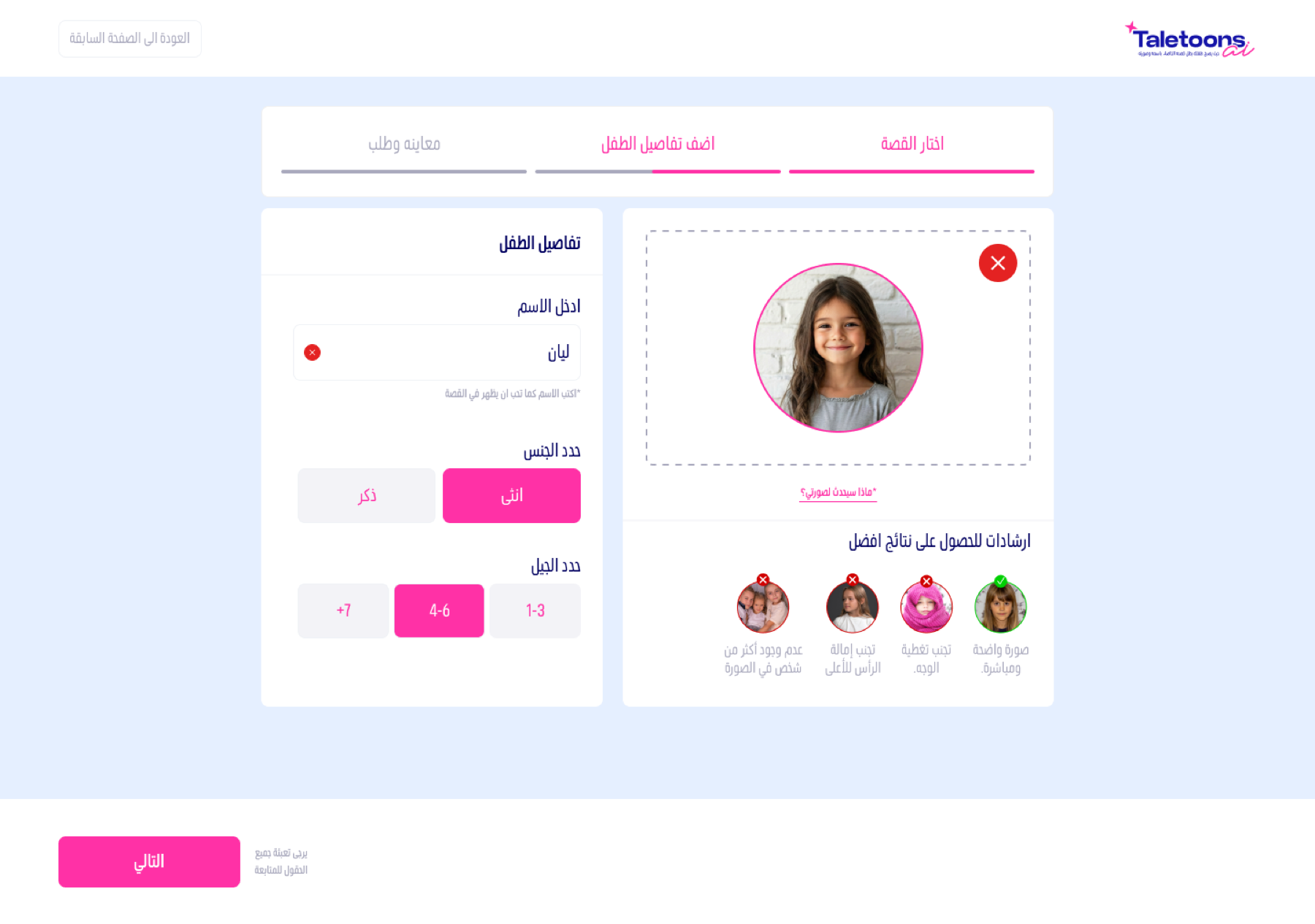
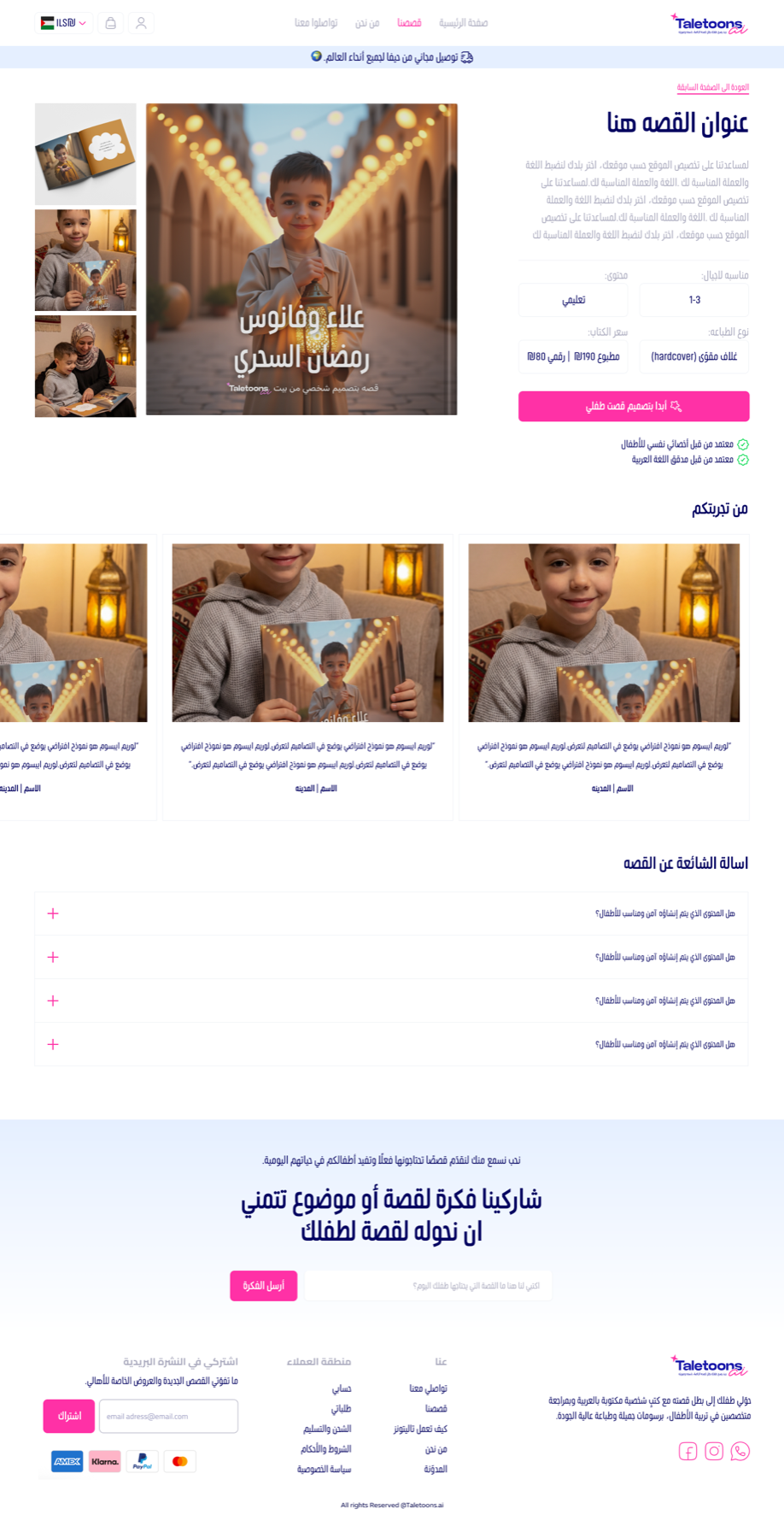
Created the end-to-end user journey, information architecture, bilingual interfaces, personalization flow, image guidance, checkout, and post-purchase experience.
Led collaboration across engineering, AI workflows, visual design, writing, child psychology, printing, logistics, marketing, and customer support.
Shaped positioning, pricing logic, campaign direction, localized storefronts, growth experiments, and the operational model needed to sell internationally.
The interface reduces a technically complex production process to a clear, confidence-building journey.

The core PM challenge was converting a labor-heavy creative service into a dependable product workflow. I designed the operating model around structured inputs, repeatable generation, quality controls, and fulfillment handoffs.
Each product decision had to answer two questions: does this improve the family's experience, and can the system deliver it reliably as volume grows?
The earliest workflow took approximately 16 hours of manual work per book. Productization and automation reduced that process to approximately 30 minutes while preserving quality controls.
“The product had to earn trust from two users at once: the parent making the decision and the child living the story.”
I worked with child psychologists and content specialists to shape age-appropriate narratives, emotional framing, and practical stories around moments such as school, feelings, routines, confidence, and aspiration.
The UX was designed around parental trust: clear photo guidance, understandable personalization choices, visible product expectations, child-safe positioning, and a purchasing flow that never makes the technology feel more important than the child.
My role was to keep every specialist moving toward the same customer and business outcome.
Translated product needs into flows, edge cases, system requirements, and delivery priorities.
Worked with eight professional collaborators and child-development specialists to align narrative themes, age appropriateness, emotional safety, and developmental value.
Set experience principles, visual quality standards, character consistency, and review criteria.
Connected pricing, payment, production, shipping, customer communication, and market rollout.
Taletoons expanded from an Arabic-first concept into a bilingual D2C and B2B product sold across Israel, Canada, and the United States, driven primarily through organic marketing.
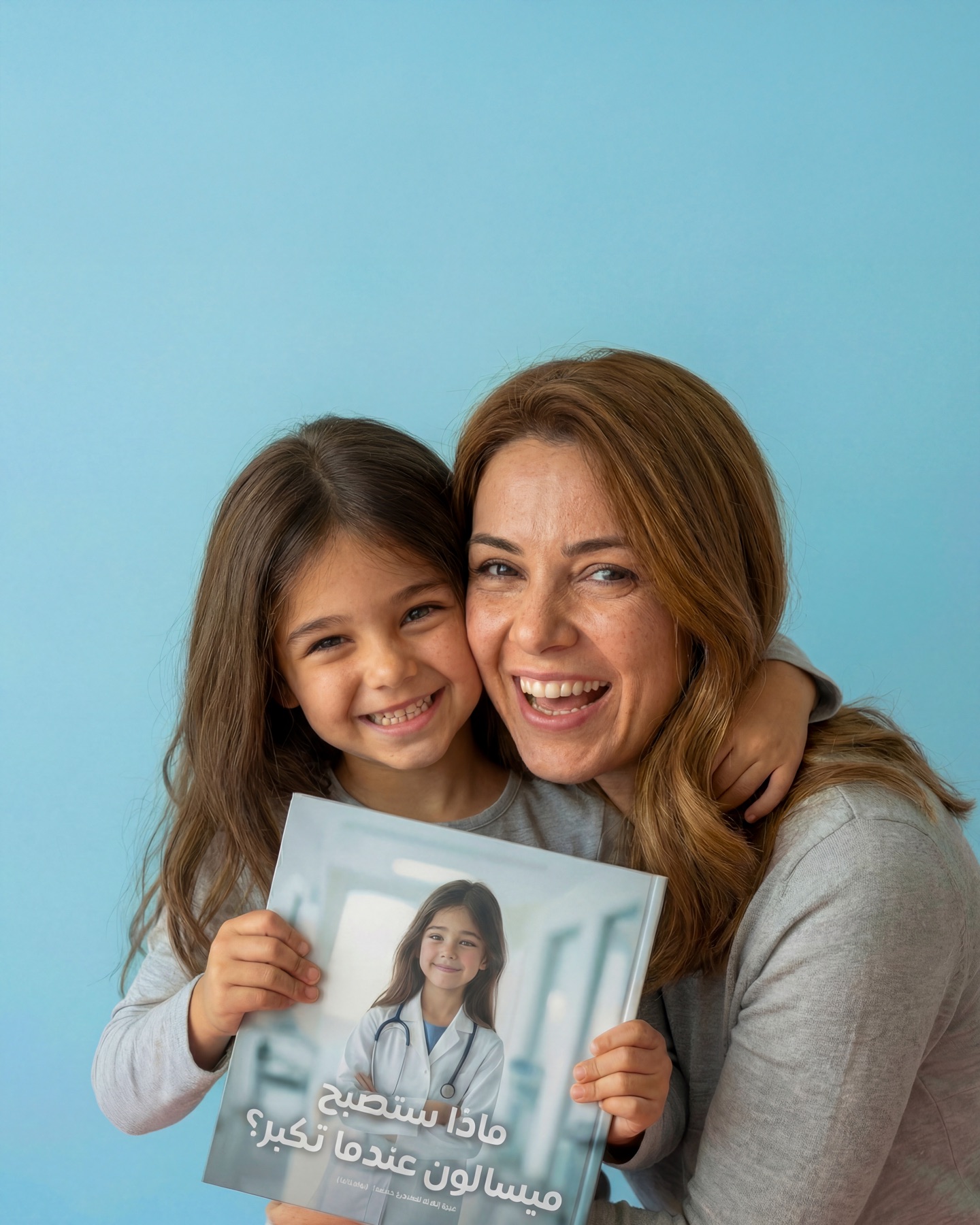
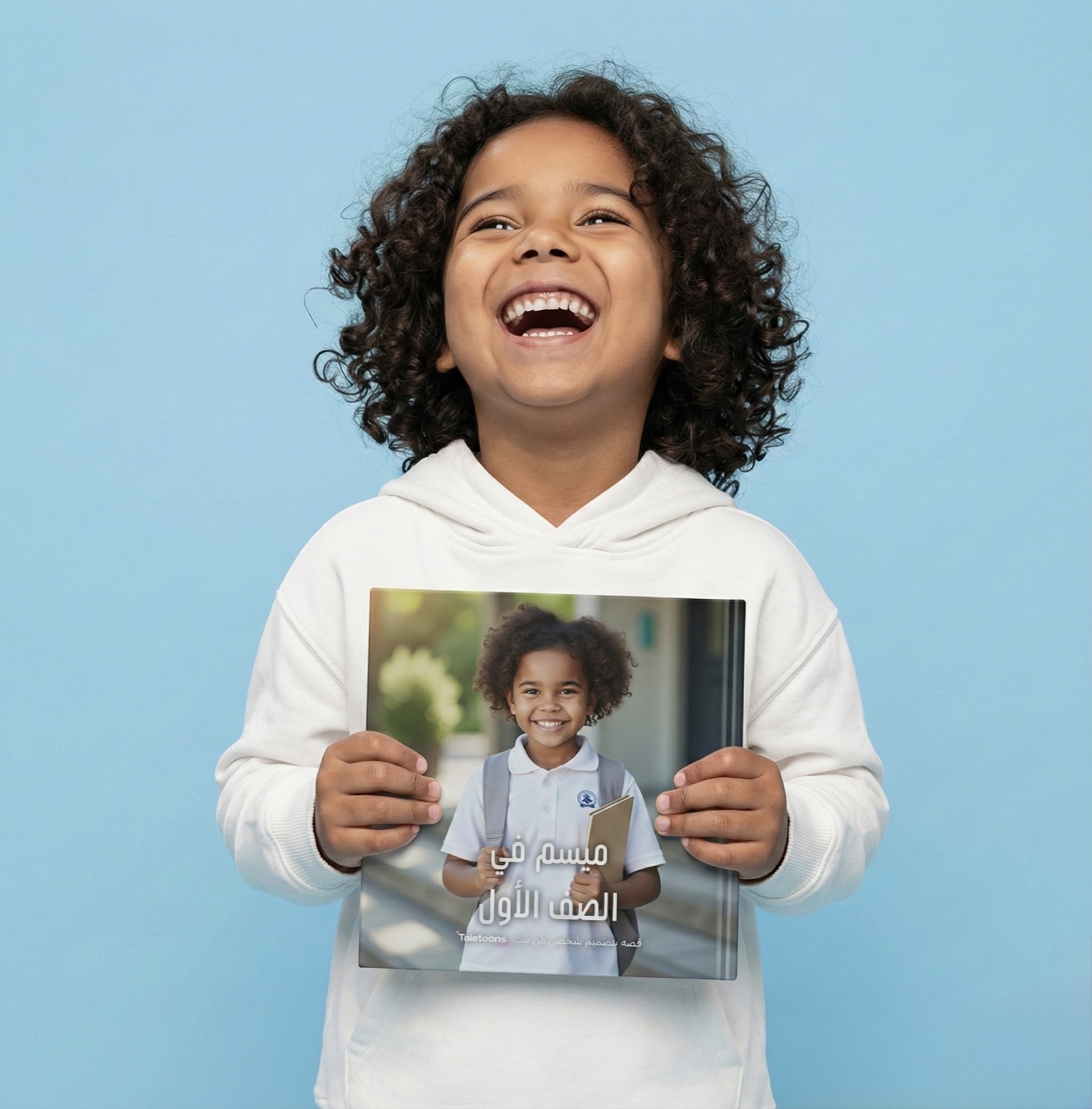
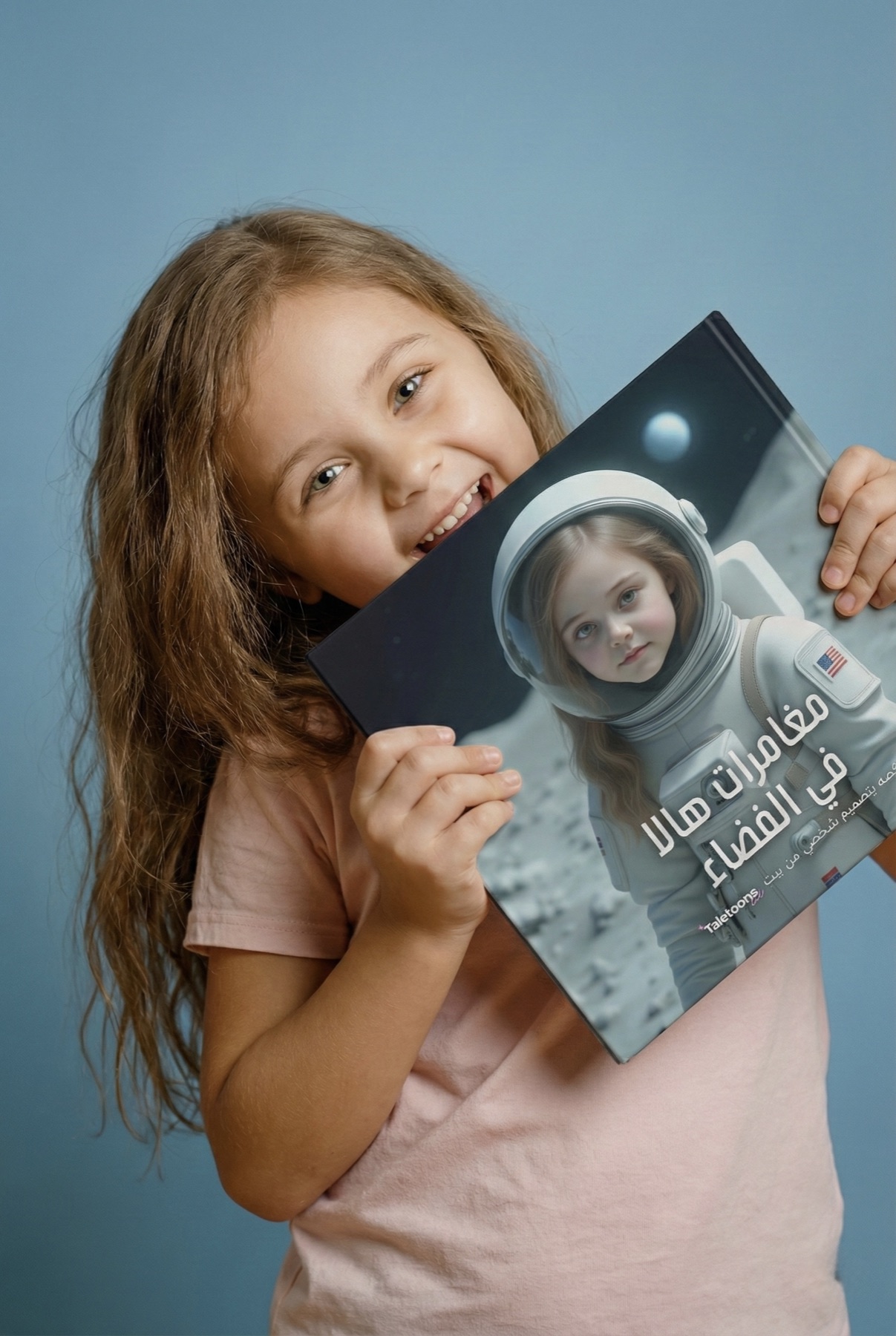
Building Taletoons meant repeatedly discovering that a beautiful prototype and a dependable product are two very different things.
AI output could vary across photos, ages, poses, and story contexts. A single weak image could break the emotional promise of the entire book.
Learning: emerging technology needs a designed system around it. The model is only one part of the product.
Each personalized book initially required approximately 16 hours of manual work. Demand would have created an operational ceiling before it created a sustainable business.
Learning: scaling is not removing people. It is using human attention where it creates the most value.
Parents were uploading a child's photo and buying a product they could not fully see in advance. Confusion or uncertainty quickly became a conversion and trust problem.
Learning: when a product involves children, clarity and emotional safety are core product requirements.
Engineering, psychology, content, design, growth, printing, and logistics each had valid but different definitions of what mattered most.
Learning: cross-functional leadership is less about having every answer and more about creating clarity for the next decision.
Arabic and English required more than translated copy. Directionality, story relevance, currencies, customer expectations, production, and shipping behavior changed by market.
Learning: a scalable foundation standardizes the system, not the human experience.
Taletoons became stronger each time reality challenged the original plan. Customer questions improved the UX. Production pressure created automation. Quality failures created standards. New markets created a more adaptable product architecture.